
People see the song, the photograph or the performance. They rarely see the hundred little decisions behind it.
Being an independent artist means making creative work while also taking responsibility for much of what surrounds it. The freedom is exciting, but the number of roles can feel endless.
Creativity is only one part
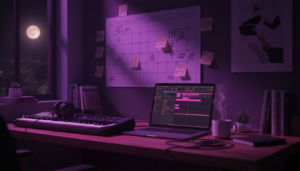
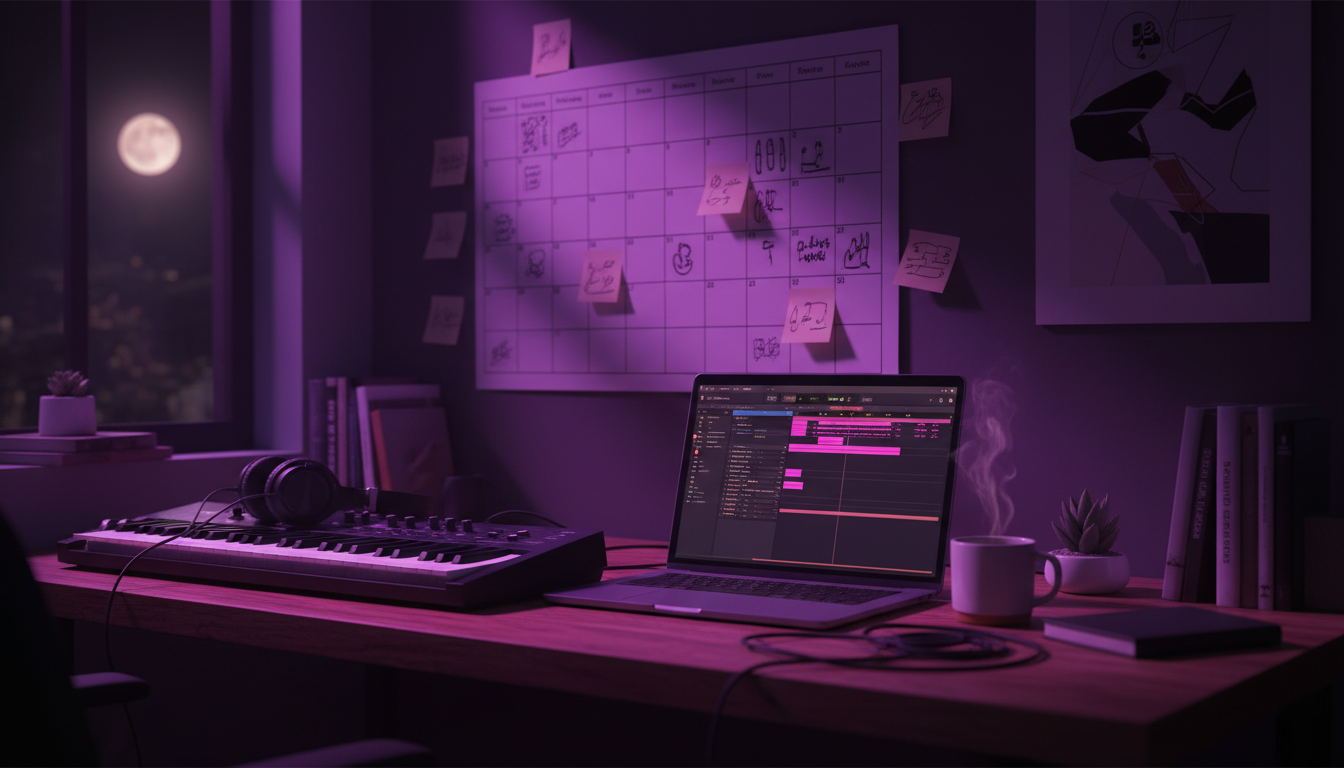
There is the obvious work: writing songs, recording vocals, making videos and preparing live performances. Then there is everything else—planning releases, keeping track of files, making artwork, answering messages, handling bookings and figuring out how to reach an audience.
Each task may be small on its own, but together they can fill an entire day.
The challenge of doing many jobs
It takes a different kind of attention to edit a video than it does to write an honest lyric. Switching repeatedly between creative work and administrative details can make it difficult to settle into either. Building a realistic routine is less about squeezing in more tasks and more about giving the important ones enough space.
Showing up when results are quiet
Not every release brings an obvious reaction. Numbers can be useful, but they do not capture every connection a listener makes with a song. Independent work asks for patience and a willingness to keep learning without treating every statistic as a personal judgement.
The reasons to keep creating
There is another side to the work: the freedom to explore an idea, make choices that reflect your values and connect directly with listeners. Those moments can make the invisible effort meaningful.
Being an independent artist is not a perfectly balanced lifestyle. It is a creative process with a very real practical side—and that deserves to be part of the story too.
— Mary Keey