

A recording space doesn’t have to look like a famous studio to become a place where meaningful songs begin.
One of the most exciting things about modern music-making is that a home setup can be a practical starting point for writing, experimenting and recording. What matters is not how impressive the room looks, but how comfortably and reliably it helps you work.
The heart of the setup
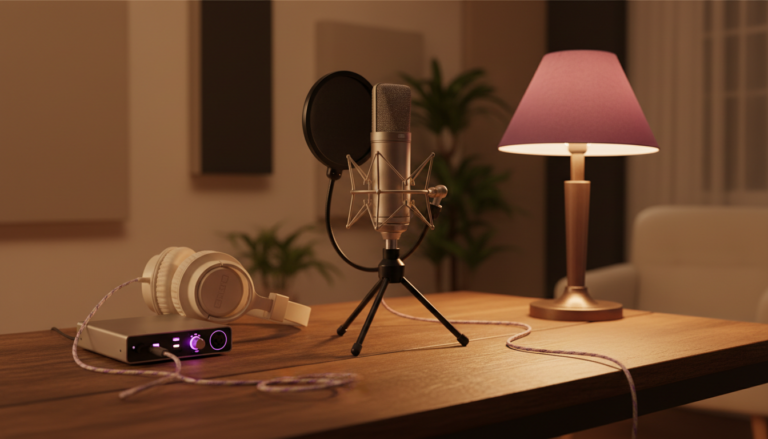
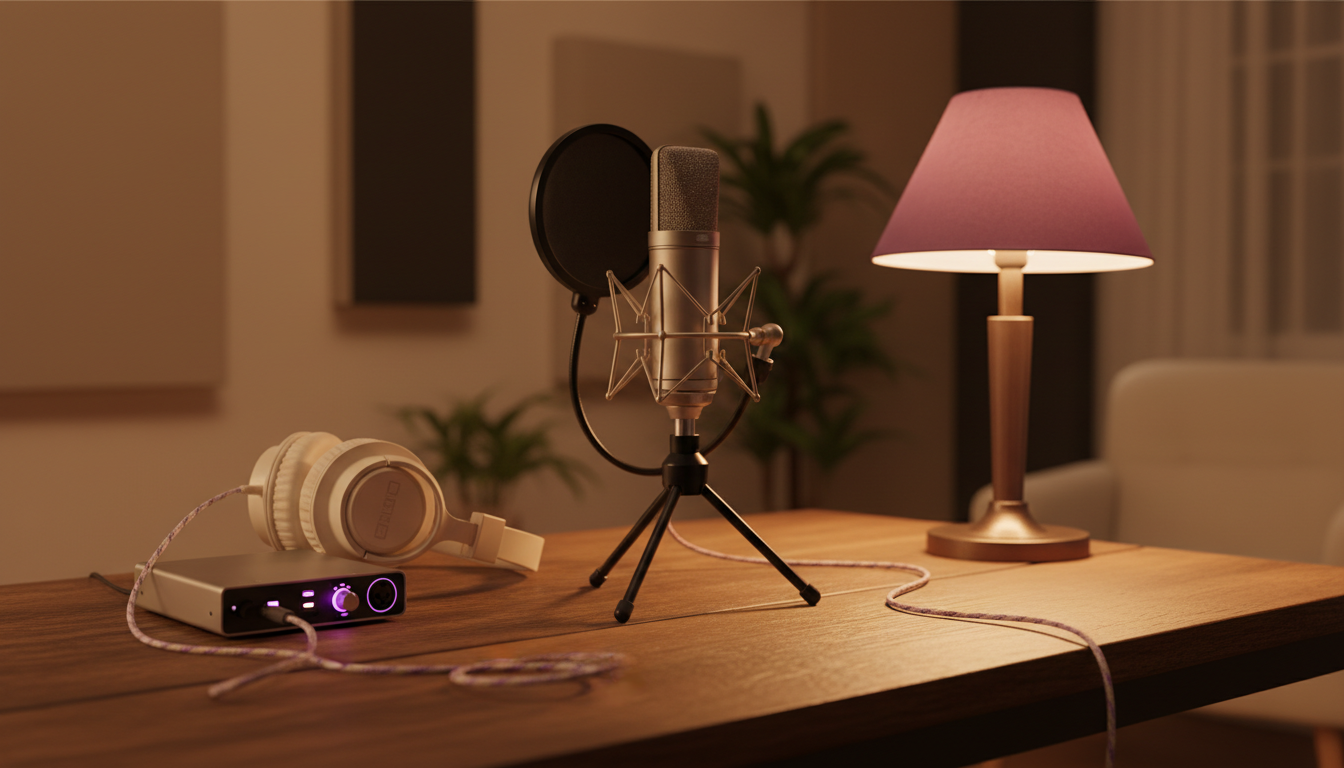
For vocal recording, the basic signal path is straightforward: a microphone (I use the allrounder L22 from Sphere) captures the voice, an audio interface connects it to the computer and recording software stores the performance. Headphones help you hear the music while limiting sound from speakers entering the microphone.
The room matters too
A microphone hears more than the singer. It can pick up the character of the room, reflections and background noise. Simple placement changes and a quieter recording position can make a noticeable difference before any software processing begins.
Keeping recording sessions comfortable
It helps to put frequently used controls within reach, prepare the track before recording and leave enough space to stand or sit without feeling restricted. A comfortable environment can make it easier to focus on expression instead of technical details. I usually record on my laptop, but I have all the connections ready to simply attach interface and a midi-keyboard.
Why simple can be powerful
Too many options can distract from the performance. A clear recording workflow—test, record, listen, save—leaves room to concentrate on the story of the song.
What is actually in my studio?
This is a starting article about the elements that make a home vocal setup work. The exact model list, room photographs and personal settings are intentionally left for a verified update; a generic equipment photograph should not be mistaken for a documentary image of my studio.
— Mary Keey